From the work you have in mind to a system people can use.
Bring defined requirements, a design, work already underway or a situation to explore. Progress works with your people and existing providers to make the technical decisions, carry out the agreed work and check it against its intended use.
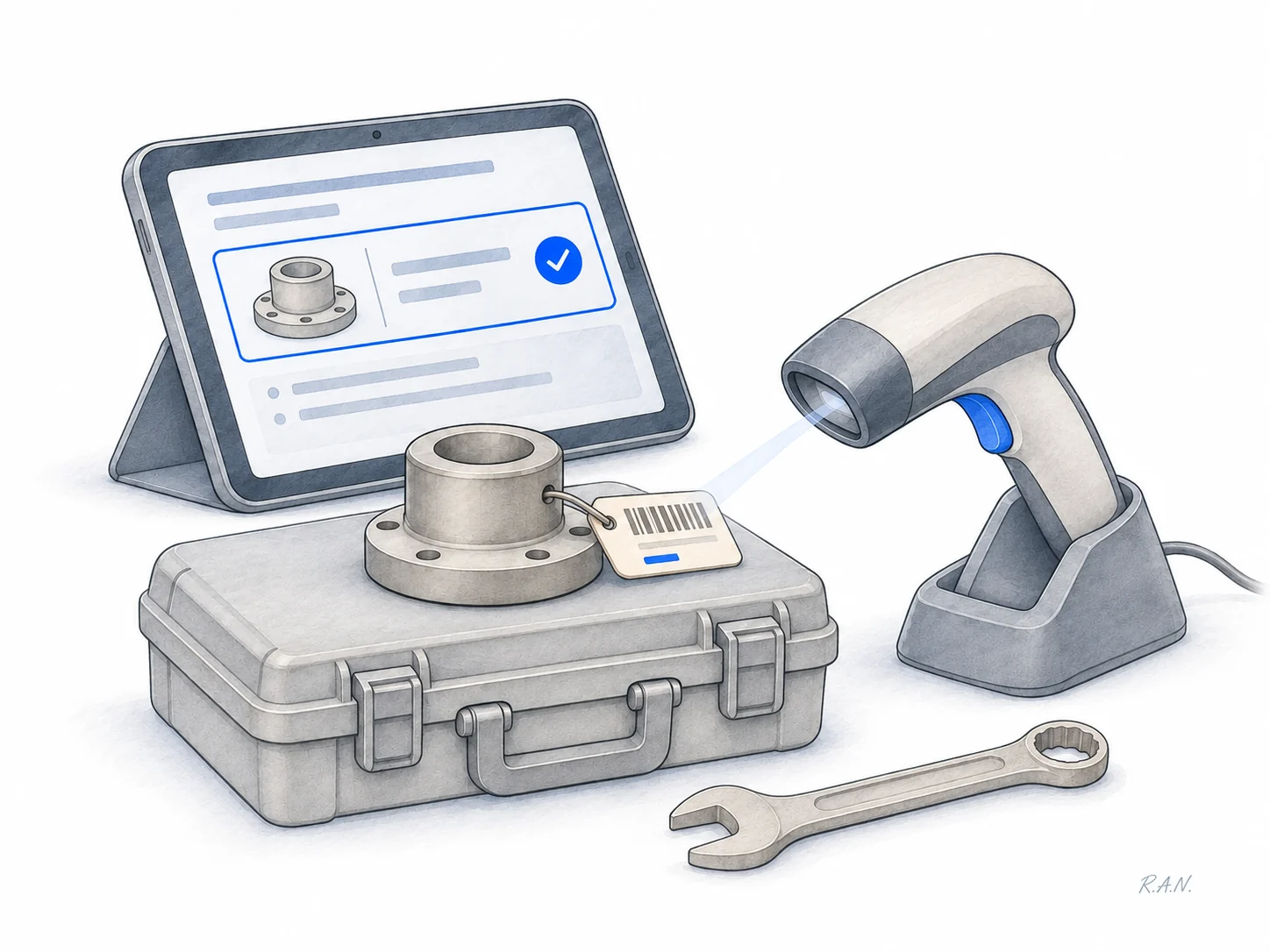
The engagement takes shape around the project: what is already known, what needs to be understood and what has to work when the changes reach the people using them.
Start from where the project is.
If the requirements and direction are established, we can work from them. If part of the approach is unresolved, we work through it with the people who know the operation and systems.
We look at the work people need to do, the information it depends on and the constraints around it. Existing designs, applications, data and provider knowledge all help establish the starting point.
The first discussion can identify the work to undertake, the questions to investigate or a useful next conversation with the people involved.
Progress understands both the engineering and the way our business works—from manufacturing to the office. They built systems that help our people communicate better.
Make the work and decisions clear.
We agree on the work to deliver, the people and systems involved, and how the result will be checked. That gives both sides a useful basis for technical decisions and reviewing progress.
A project may call for a new application, a connection between systems or a change to something already in use. We consider what existing tools can do and where custom development is useful.
When a finding changes the proposed scope or direction, we discuss its implications and agree on how to proceed.
Build around the operation.
Useful systems and operating knowledge can carry into the next version of the work. We design the application or connection around the information available and the workflows it has to support.
For example, a customer request may start online, enter an existing office workflow and become a task for field staff. The connection has to carry the right information between those parts.
Progress carries out the technical work we agree to deliver, working alongside internal IT, existing providers and relevant specialists.
Check the result against real use.
For an integration, we check the information arriving, how it is handled and what happens when an expected value is missing or a connection fails. For an application, we try the workflow with the people who use it and compare the result with the agreed requirements.
Findings from actual systems, data and use inform the next technical decision. We review the changes with the people responsible for accepting and using the work.
Rollout arrangements follow the project’s operating needs, including how the changes will be introduced and who is involved.
Leave a clear next step.
Documentation, handoffs and access arrangements support the people responsible for what follows. Support and transition are defined for the engagement.
Some work ends with a completed delivery. Other work continues through additional development or agreed maintenance. We make those responsibilities part of the discussion so the next step is clear.
About Progress and its working relationships →Bring the project you want to move forward.
Describe what people need to do, the systems involved and what you want to change. If you already have requirements or work underway, bring that too.